As Ethereum gas prices continue to fluctuate, it is crucial for users to stay informed on methods to optimize their transactions. Below are two articles that provide valuable insights on how to navigate high gas fees on the Ethereum network.
Strategies for Minimizing Ethereum Gas Fees

In the ever-evolving world of cryptocurrency, keeping up with the latest trends and strategies is crucial for investors and traders. One of the most talked-about topics in the Ethereum community right now is how to minimize gas fees when making transactions on the network.
Gas fees on the Ethereum network can often be high, especially during times of high traffic. This can be frustrating for users who want to send or receive funds without having to pay exorbitant fees. Fortunately, there are several strategies that can help mitigate these costs.
One of the most effective ways to reduce gas fees is to wait for periods of lower network activity. By monitoring Ethereum gas trackers and choosing to transact during off-peak times, users can save a significant amount on fees. Additionally, optimizing transactions by using the right gas limit and gas price can also help minimize costs.
Another strategy is to utilize layer 2 solutions such as Loopring or zkSync, which allow for faster and cheaper transactions off the main Ethereum chain. By leveraging these solutions, users can enjoy lower fees and quicker processing times.
In conclusion, staying informed about strategies for minimizing Ethereum gas fees is essential for anyone looking to maximize their profits and streamline their transactions on the network. By implementing these tips, users can navigate the world of cryptocurrency more efficiently and
Understanding Gas Prices on the Ethereum Network
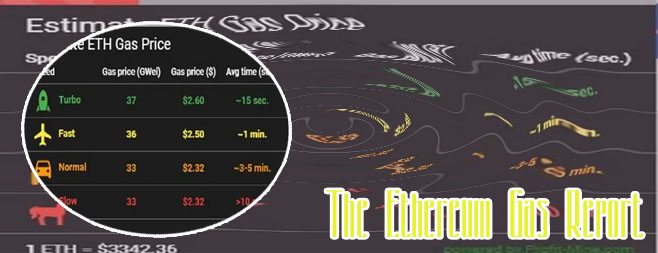
Gas prices on the Ethereum network play a crucial role in the smooth functioning of decentralized applications (dApps) and transactions. For those who are new to the concept, gas refers to the fee required to execute operations on the Ethereum network. It is measured in units called "gwei", with higher gas prices usually resulting in faster transaction confirmations.
The fluctuation of gas prices is influenced by various factors such as network congestion, demand for transaction processing, and the complexity of smart contracts. During times of high network activity, gas prices tend to surge as users compete to have their transactions processed quickly. Conversely, during periods of low activity, gas prices may decrease as there is less competition for block space.
It is important for users and developers to understand gas prices on the Ethereum network in order to optimize their transactions. By monitoring gas prices and adjusting them accordingly, users can save on fees and ensure timely confirmation of their transactions. Developers, on the other hand, can use this knowledge to design more efficient smart contracts and dApps that minimize gas consumption.
In conclusion, having a good grasp of gas prices on the Ethereum network is essential for anyone involved in the world of decentralized finance and blockchain technology. By staying informed and making informed decisions, users and developers can navigate the network more effectively and